BRANDON STUDER
PRINCETON UNIVERSITY ART MUSEUM, 2025
Design of a scalable labeling system organizing object labels and interpretive texts across varied spatial and interpretive conditions.
Developed in close collaboration with curators across the full corpus of labels.
Photography: Alex Fradkin


Wall labels accommodate a full range of curatorial needs, from single tombstones to extended panels with comparative imagery and signed texts, while maintaining a consistent typographic system.

The system adapts across rails, pedestals, cases, and walls, integrating comparative imagery and extended interpretation where required.


BRANDON STUDER

PURPLE MOUNTAINS, 2024
OIL ON CANVAS, WOODEN FRAME
14 X 10”
BRANDON STUDER
SID (SERENDIPITOUS INSPIRATION DEPOT)
A web-based tool for encountering texts and images through chance rather than search.
In the spirit of Oblique Strategies and the I Ching, it uses randomness to spark clarity or disruption.
sid.is →


SID’s identity emerges from same visual language used to reveal its contents.
Unicode block characters (░ ▒ ▓) function as placeholders during typing states in text mode and reappear as structural elements in image reveal animations.


Image mode draws from a dedicated Are.na channel, allowing the image library to grow organically over time. Images can be added to the depot without redeploying or reauthoring the system.
BRANDON STUDER
FOLGER SHAKESPEARE LIBRARY, 2024
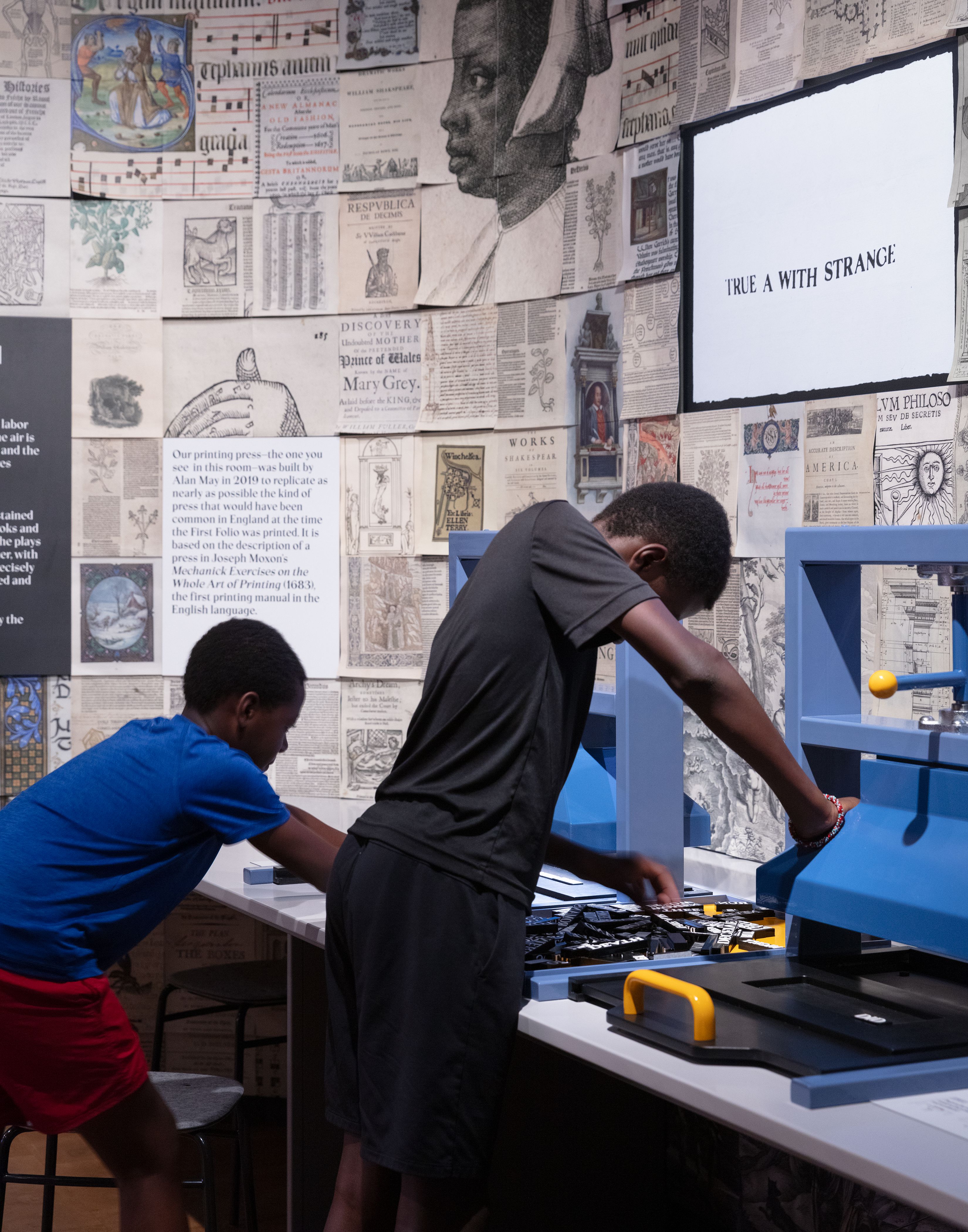
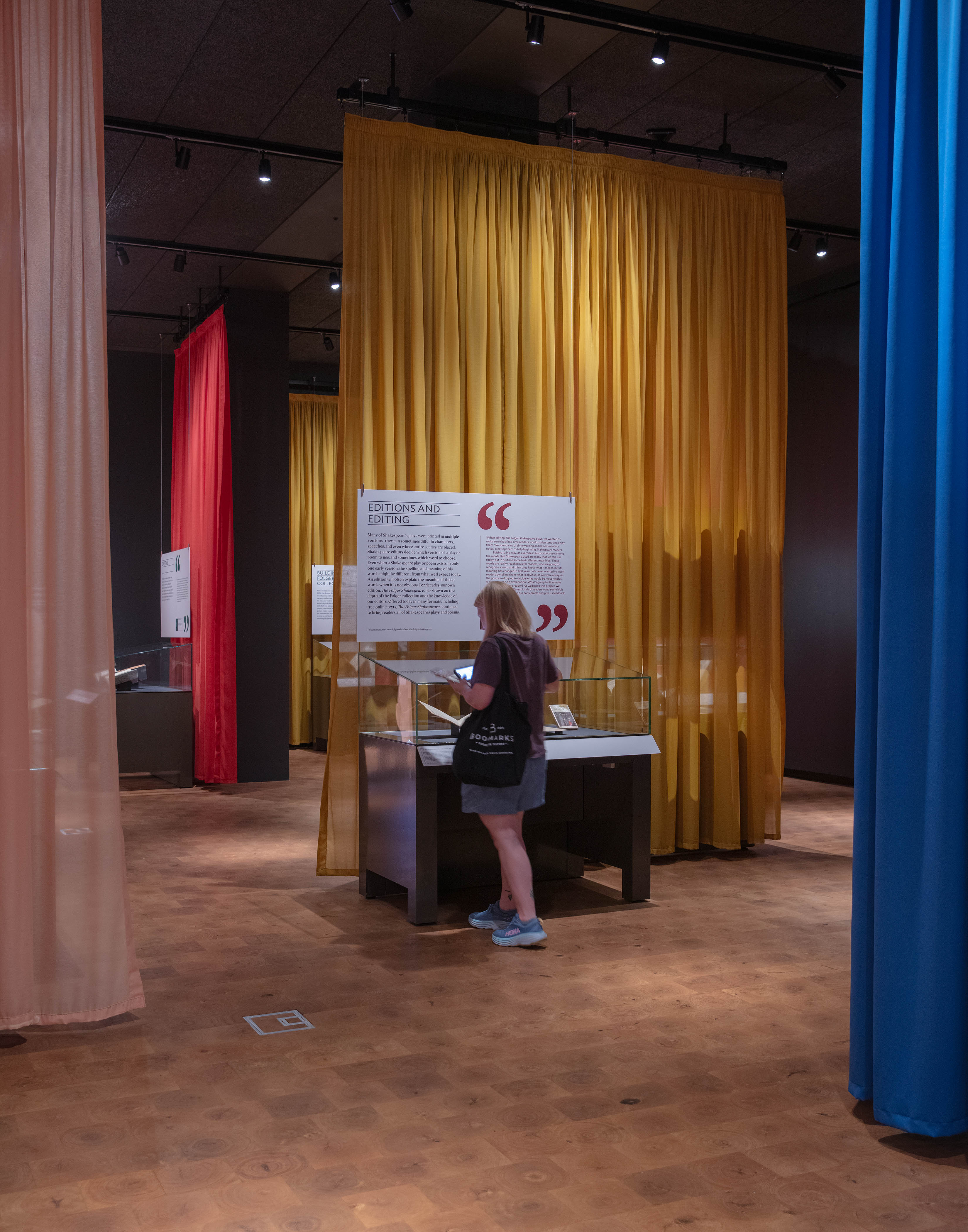
Interpretive graphics and a large-scale installation composed of thousands of archival pages for two new exhibition halls at the Folger Library in Washington, D.C.
With Studio Joseph and Anthony Roy.
Photography: Naho Kubota
![]()


BRANDON STUDER
PIGEON INFIRMARY RECORDS
Identity system for a record label and collaborative network of artists.


TYPOGRAPHY / MARKS
Typography shifts with the mark, from grotesk to monospaced variants. Monospaced styles support archival and metadata-driven uses, while grotesk supports broader communication.
The system extends to plain text, allowing the mark to be typeset directly, e.g. ( P—I—R ).


